Subscribe to US-SCAR News
Subscribe to our email list to receive the latest news and announcements from US-SCAR. If you have news that you would like to share with the US-SCAR list, send it directly to info@usscar.org.
United States
Scientific Committee on Antarctic Research
Every two years, the SCAR Open Science Conference brings the global Antarctic research community together. In August 2026, the Norwegian Polar Institute hosted the 12th conference in Oslo, Norway, under the theme "Diving into Antarctic Science: Making Waves for the Future."
The week opened with a joint SCAR/COMNAP mini-symposium and an icebreaker at Oslo City Hall. Then came five days of plenary lectures, mini-symposia, parallel sessions, workshops and poster sessions. Science group meetings, satellite events and the SCAR Delegates Meeting took place on either side.
Through its NSF award, US-SCAR gave travel awards to 82 U.S. researchers, each presenting a talk or poster. They came from 24 states and more than 40 institutions, and about three-quarters were students or postdocs. Including the 16-member US-SCAR team, more than 100 U.S. participants took part.
U.S. attendees met with NSF at a town hall on the U.S. Antarctic Program. At the Delegates Meeting, US-SCAR represented the United States and helped shape SCAR's second Antarctic Horizon Scan. The conference also saw the announcement of a coordination office for the Fifth International Polar Year (2032–33), which will bring scientific and Indigenous knowledge systems together to understand a changing polar world.
U.S. researchers presented in more than 28 sessions across all of SCAR's science groups. Their work spans:
Here you'll find a high-level view of the range and quality of U.S. Antarctic research. US-SCAR's Nancy Kotary asked each researcher what they study, why it matters and what they brought home from Oslo. New profiles are added regularly.
Next up: the XIV SCAR Biology Symposium, which comes to Utah in 2027.
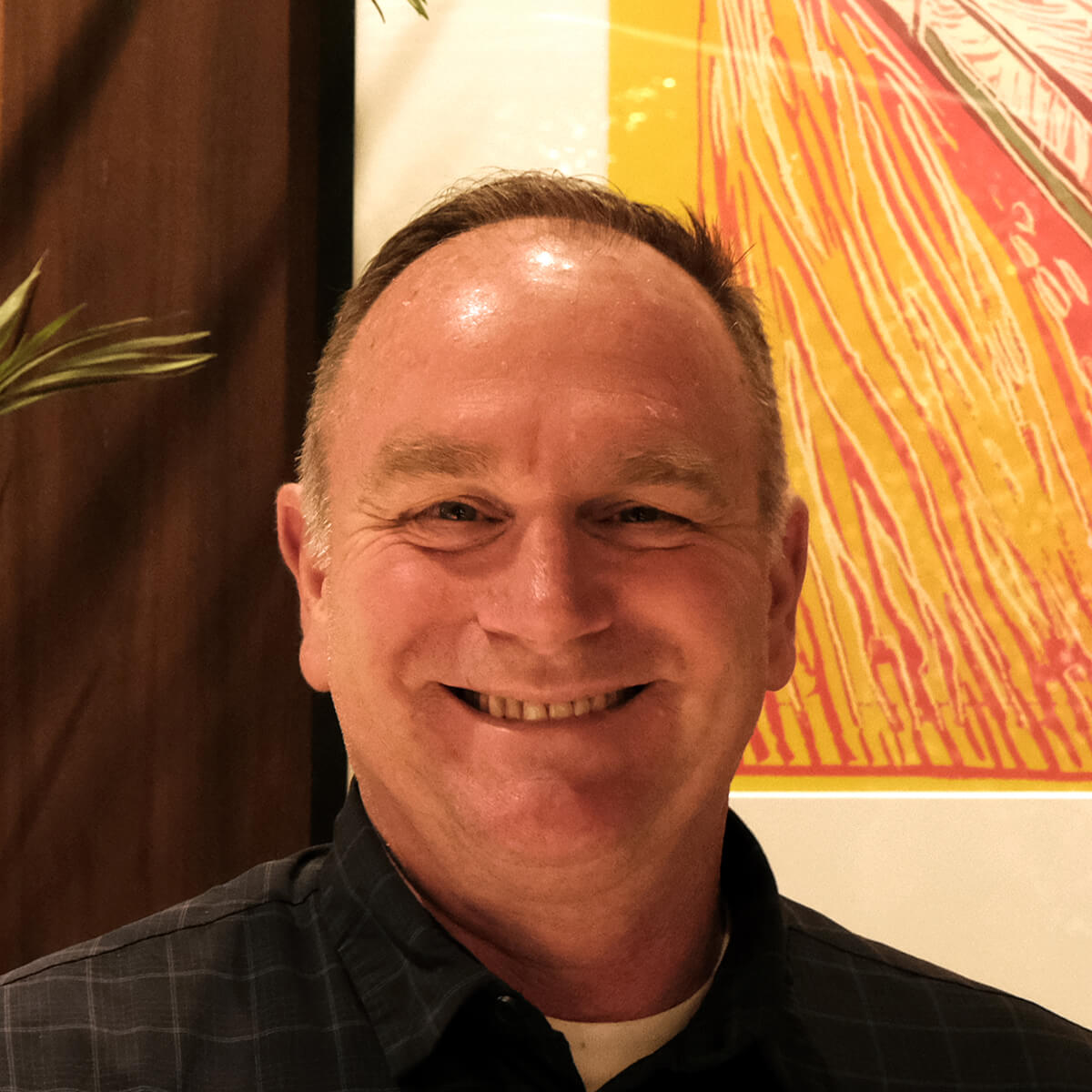
Brigham Young University
Professor of Biology, Chair of Biology Department, Curator of Antarctic Microfauna Collection at the Bean Life Science Museum
Byron Adams is the US-SCAR representative to SCAR for Life Sciences and chief officer of this group, in addition to his positions at BYU as professor of Biology, chair of the Biology Department, and curator of the Antarctic Microfauna Collection at the Bean Life Science Museum. He somehow still has time to do science, with his work funded by the National Science Foundation; the latter part of his career is almost entirely Antarctic work, including the ecology and evolution of soils and sediments in terrestrial ecosystems. In long-term ecological research programs, he looks at how the soil and its organisms respond to human-driven changes in near- and deep-field sites. The value of Antarctica, Byron says, is that they are untouched like no other place on Earth — if we continue to take careful measures to protect it, we can maintain the integrity of this natural laboratory.
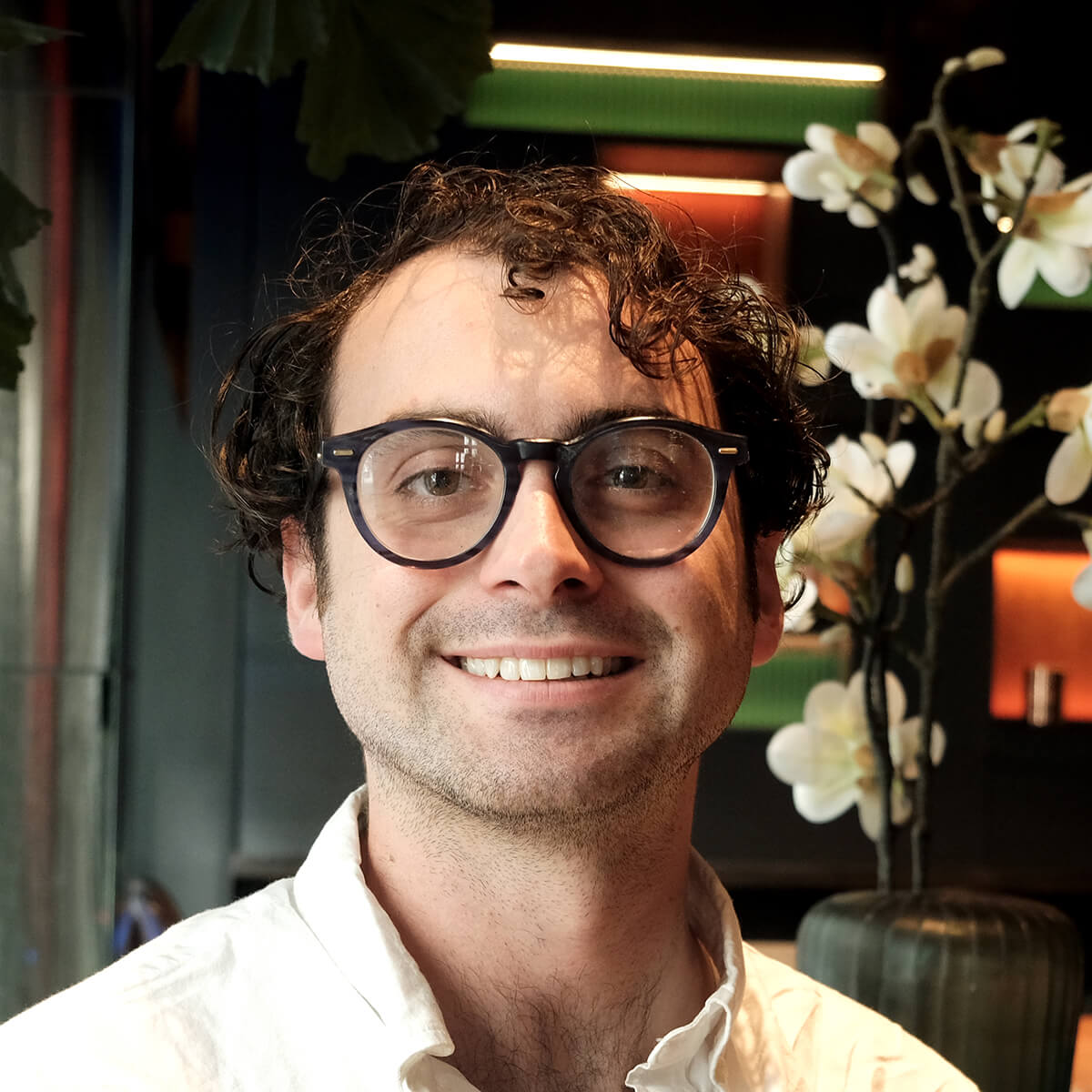
Colorado School of Mines
PhD Student
Joseph Ruggiero is a PhD student at the Colorado School of Mines, studying the Antartic ice sheet and how it's changed throughout the Holocene — the last glacial maximum through today. He says it's a cool period to study, because it's the last time the world underwent a significant globally understood climate event, which provides an opportunity to think about many different processes. His research focuses on the ice sheet and evidence of its grounding line retreat, as well as how the ocean has changed in relation, using sediment cores from the sea floor. This is his first SCAR conference — and his first major conference — and he is enjoying the chance to grow his network, especially with other early-career researchers, and start to form his own collaborations.
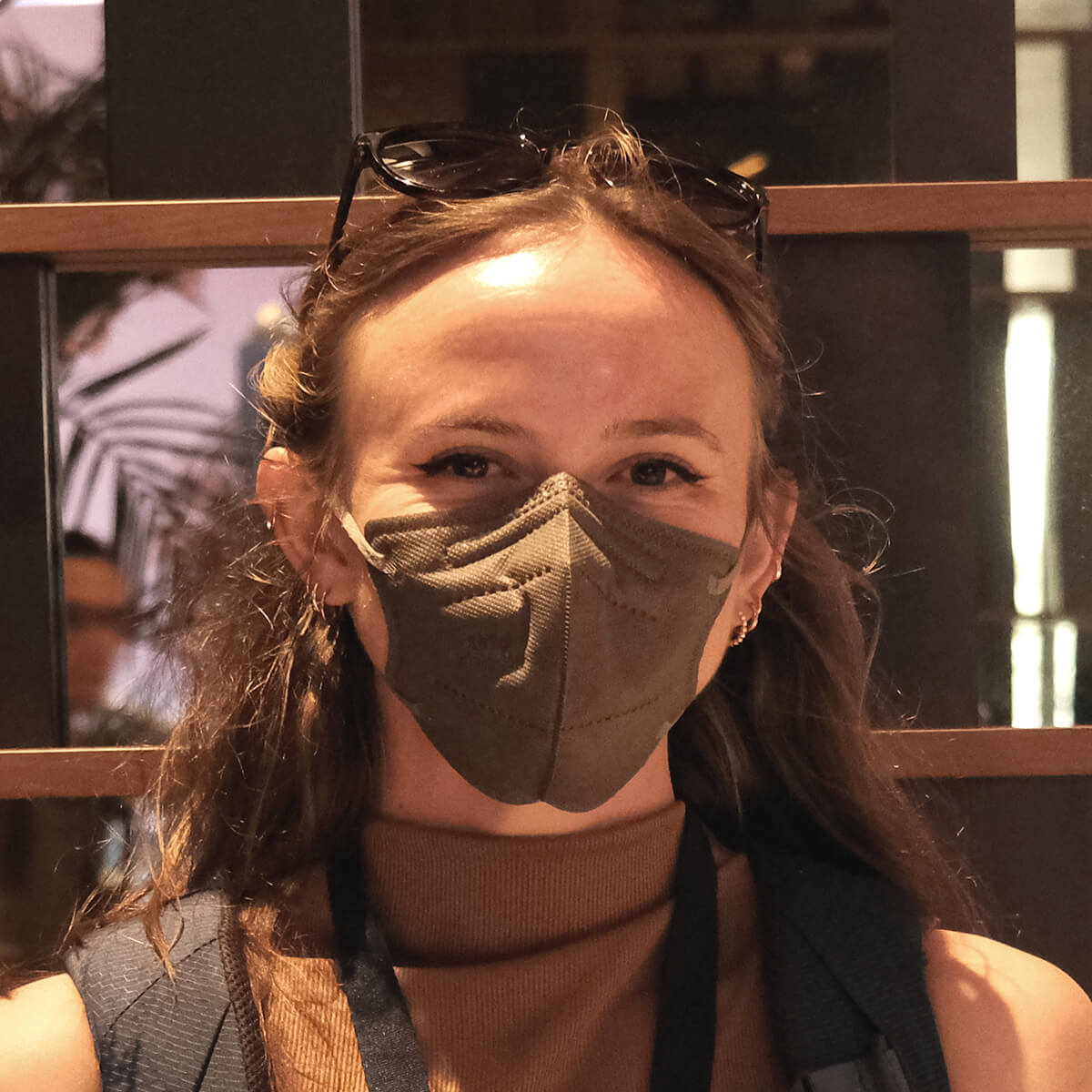
University of Wisconsin–Madison, Antarctic Meteorological Research and Data Center
Research Intern
Sophie Orendorf is a research intern at the University of Wisconsin–Madison, in the Antarctic Meteorological Research and Data Center (https://amrdc.ssec.wisc.edu). Her work is centered on the data repositories there, as part of the largest Automatic Weather Station (AWS) network in Antarctica. She is a scientific programmer in the center, working on real-time data relay and distribution for their open repositories available to all. Her data organization work helps standardize information across the network and make it easier for scientists to use. This is her first SCAR conference. Because her work can be isolating at times, it has been nice for her to meet many of the people that her work has benefited or could benefit someday, as well as networking with others in the same field.
Subscribe to our email list to receive the latest news and announcements from US-SCAR. If you have news that you would like to share with the US-SCAR list, send it directly to info@usscar.org.